

Nurturing Your Scalp for Confident Wig Wear: Essential Care for Lasting Comfort

Preparing your scalp before wearing a wig improves comfort, reduces irritation, and helps your wig stay secure. For many people navigating hair thinning or loss, a healthy scalp is the foundation of confidence.
This guide shares practical ways to cleanse, hydrate, and prep your scalp so your Nuola Wigs human-hair wig looks and feels better. Explore why scalp health matters, step-by-step routines, product pointers, common pitfalls to avoid, daily upkeep, and how Nuola Wigs supports sensitive scalps, with clear, easy-to-follow tips.
Importance of Scalp Health Before Wearing a Wig
A well-maintained scalp creates a reliable foundation for any wig. It helps reduce friction, keeps excess oil in check, and helps prevent itchiness. Scalp health means skin that is hydrated, balanced, and intact, which directly impacts how your wig feels and sits.
When your scalp is not cared for, excess oil or dryness can lead to discomfort and slippage and may affect natural hair growth around the hairline. Establishing a healthy routine before you wear your wig improves comfort and helps both your natural hair and the wig last longer, keeping the fibers fresh and moving naturally.
Benefits of a Healthy Scalp for Wig Comfort and Longevity
A well-nourished scalp keeps skin supple and hydrated, allowing wig adhesives or caps to adhere securely without irritation. Healthy circulation supports resilience, minimizing redness or sensitivity during long wear.
When oil production is balanced and dead skin cells are removed, wig fibers glide smoothly, helping prevent tangles or matting at the base. Ultimately, a balanced scalp environment means less buildup on the wig lining and cap, making maintenance easier and preserving the cuticle of your human-hair wig.
Common Scalp Issues for Wig Wearers
Many wig wearers deal with dry patches, greasiness, itching, or skin reactions from friction and poor ventilation. Dandruff and fungal issues can develop under caps that do not breathe well, while overly tight applications can stress hair follicles.
Without proper cleansing and moisturizing, styling residue can build up, leading to irritation and a higher chance of shedding when you remove your wig. Catching these issues early lets you address them before they become bigger problems.
Scalp Preparation to Reduce Irritation and Minimize Breakage
Gentle exfoliation and pH-balanced cleansing remove potential irritants, while lightweight serums soothe sensitivity and support your skin’s barrier. Protective braids and breathable caps distribute pressure evenly, easing strain on the roots.
Consistent moisturizing and scalp massages promote healthy circulation, helping protect follicles from tension. This preparation creates a calm, nourished environment that supports natural hair under any premium human-hair wig.
Preparing Your Scalp for Wig Application

Proper scalp preparation balances cleanliness, hydration, and gentle styling so your scalp feels comfortable and resilient under your wig cap.
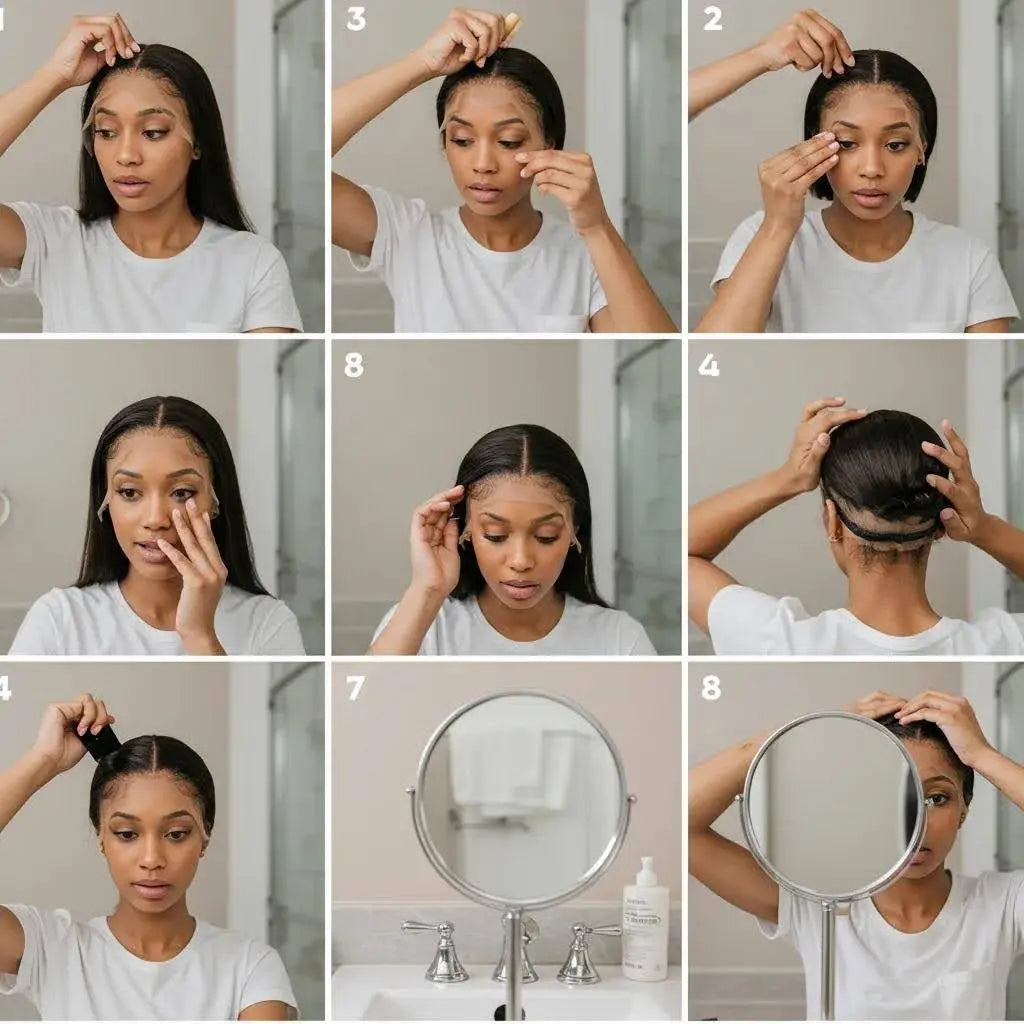
Following a step-by-step approach helps reduce irritation, support healthy hair, and create a secure connection between your skin and your wig. Start with a targeted cleanse, follow with deep hydration using non-greasy oils or serums, and finish with protective styles that do not pull.
Optimal Scalp Cleansing Before Wig Wear
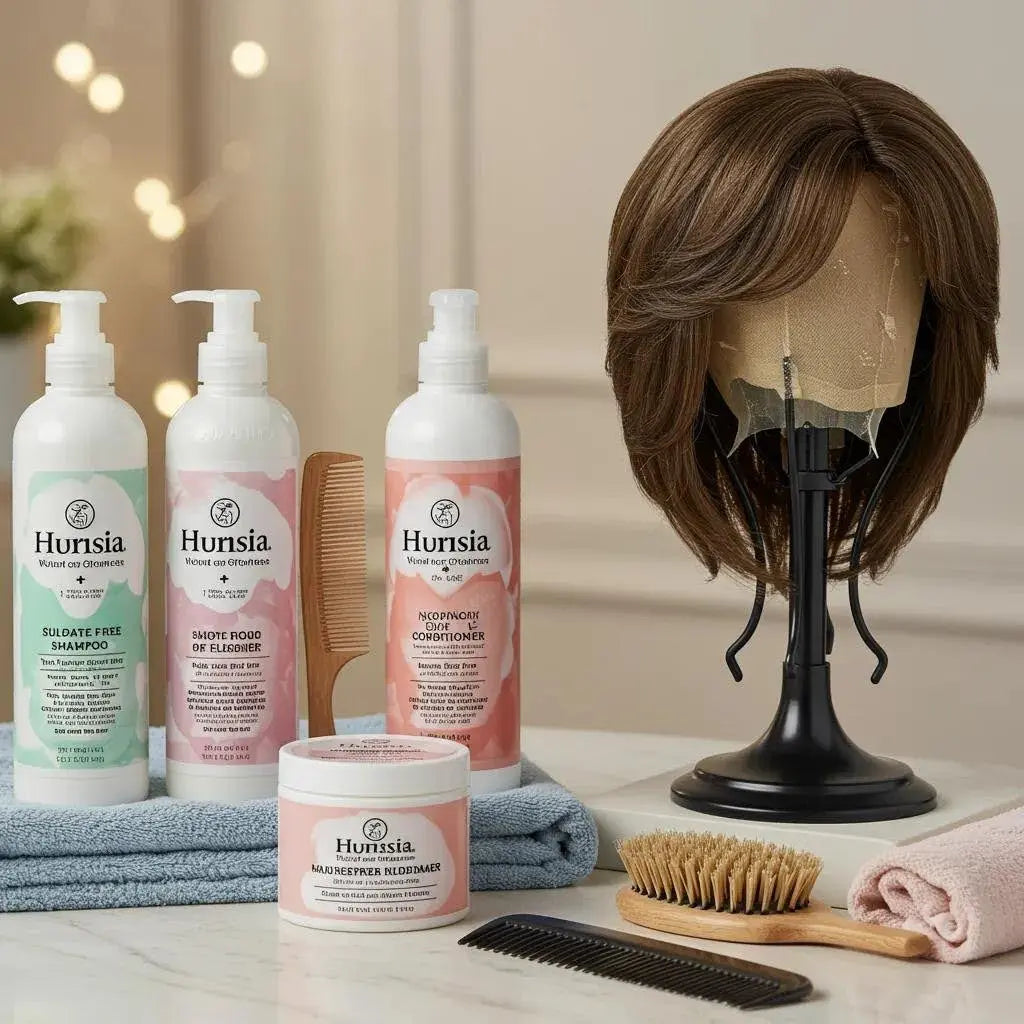
An effective cleanse uses asulfate-free, pH-balanced shampoo applied directly to the scalp with gentle circular motions. This lifts oil, dirt, and buildup without stripping the natural oils that protect your skin.
After massaging for a minute or two, rinse thoroughly with lukewarm water to keep the barrier intact. A final spritz of a water-soluble scalp tonic can help rebalance pH, leaving your scalp fresh and ready for hydration.
Best Moisturizers and Natural Oils for Scalp Hydration
Before styling, reach for lightweight botanical oils like jojoba, argan, or tea tree. They hydrate without feeling greasy. Jojoba oil is helpful because it is similar to your scalp’s natural sebum, helping lock in moisture and support the skin barrier.
Argan oil contains essential fatty acids that soothe dryness. Tea tree oil, when diluted, may offer antimicrobial support for sensitive scalps prone to flaking. For extra nourishment, add a few drops of a non-greasy scalp serum to enhance hydration and prep your skin for the wig cap.
Protective Hairstyles for Scalp Health
Protective styling minimizes stress and friction on delicate follicles by creating a stable, low-manipulation base. Braids, twists, or flat plaits distribute weight evenly and keep strands neat, preventing tangles under the wig cap. Looser styles allow better blood flow and reduce the risk of traction alopecia during extended wear.
Low-Tension Braiding and Twisting Techniques
Before braiding, gently detangle with a wide-tooth comb and apply a leave-in conditioner. Opt for cornrows or small flat twists that follow your natural growth direction, avoiding tight knots at the hairline. Secure braids with soft elastics instead of metal clips to prevent pressure points.
Keep sections uniform and tension light to protect your hair and create a smooth base for your wig.
Top Products for a Healthy Scalp Under Wigs
Choosing products designed for your scalp helps prevent dryness, itching, and buildup when you wear a wig. Focus on gentle, non-stripping cleansers, lightweight hydrators, and breathable caps that allow air to circulate. Quality ingredients matter: look for ingredients such asaloe vera, panthenol, and botanical extracts that support the skin barrier and maintain balance.
Benefits of Sulfate-Free Shampoos for Sensitive Scalps
Sulfate-free cleansers gently remove oils and dirt without disturbing your scalp’s natural lipids or causing irritation. They help the scalp retain moisture, reducing dryness and flaking under a wig cap. By preserving essential oils, these shampoos support barrier function, making them a strong option for anyone experiencing medical hair loss or heightened sensitivity.
Natural Oils and Serums for Dry, Itchy Scalp
Non-comedogenic oils like grapeseed or sweet almond, along with serums containing hyaluronic acid or peptides, work together to lock in moisture. These formulas soothe irritation, support the skin barrier, and create a breathable protective layer. Used regularly, they help reduce scratching under your wig, which can harm both your scalp and the wig lining.
Breathable Wig Caps for Scalp Health

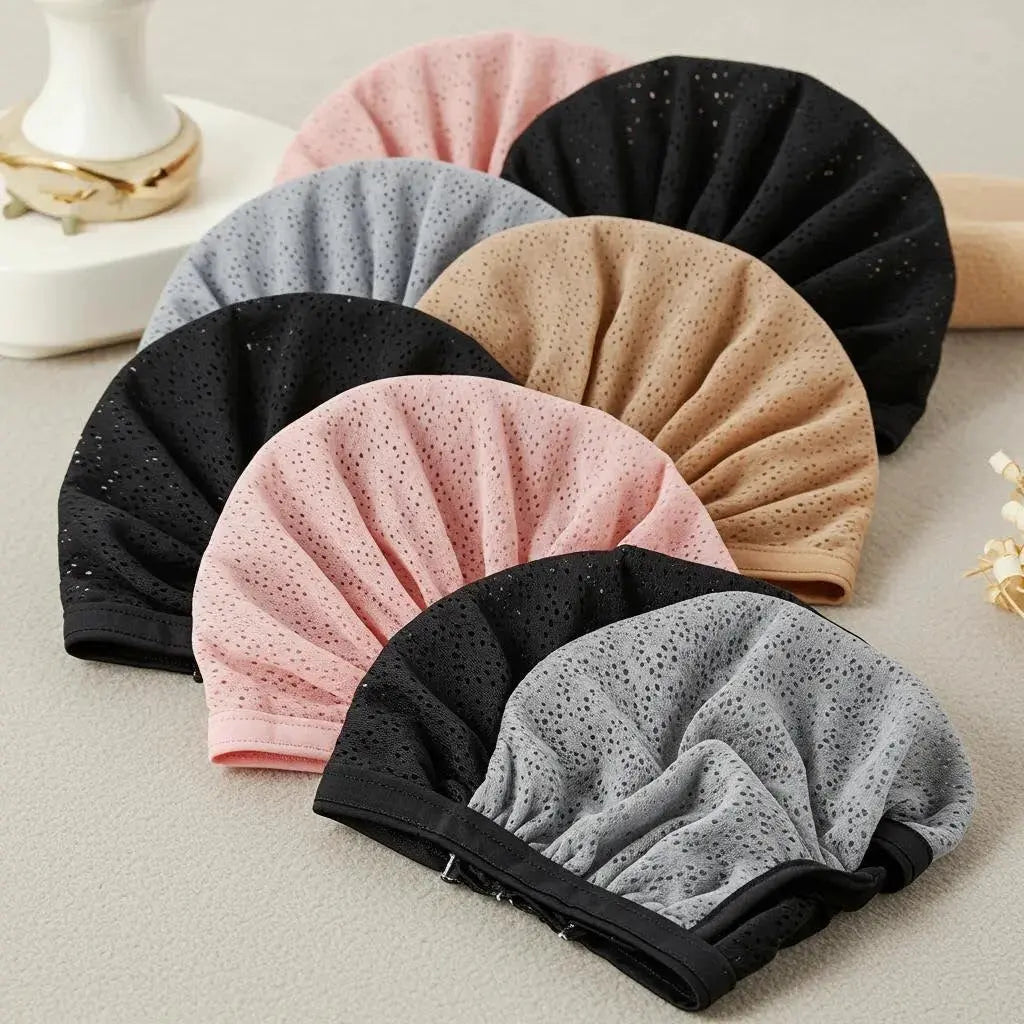
Breathable caps made from moisture-wicking or mesh fabrics allow ventilation, preventing humidity buildup and microbial growth.
They act as a gentle barrier between your hair and the wig fibers while promoting air circulation, which minimizes heat-related irritation and lowers the risk of dermatitis. Consistently wearing a high-quality cap under your human-hair wig helps maintain a cooler, more balanced environment for ongoing comfort.
Preventing and Managing Scalp Issues with Wigs
Keeping your scalp healthy under a wig requires being mindful of dryness, itchiness,dandruff, and damage from tension. Combining targeted treatments with regular checks helps stop minor discomforts from becoming persistent problems. A balanced routine of cleansing, exfoliating, and low-tension styling addresses each concern right at the source.
Causes and Care of Dry, Itchy Scalp Under Wigs
Wig materials that do not allow air to circulate and trap sweat can lead to dry, itchy patches. Rehydrate your scalp with mists containing glycerin or panthenol for quick relief. Try scalp massages with lightweight oils to soothe and promote circulation. If irritation persists, switch cap styles and take wig-free breaks to help your scalp recover.
Managing Dandruff and Product Buildup
Dandruff can appear due to excess oil or a microbial imbalance under caps that do not breathe. A clarifying shampoo with gentle exfoliants like salicylic acid removes flakes and clears follicles without over-drying. Follow with a nourishing conditioner applied only to your natural hair.
Weekly scalp scrubs with gentle granules help keep the scalp clean, preventing residue from transferring to wig fibers.
Preventing Traction Alopecia from Tight Wigs
Ensuring your wig fits comfortably and isn’t too tight is key. Wig clips, adhesives, or combs shouldn’t pull on your hair roots. Adjustable straps and custom cap measurements help distribute the wig’s weight evenly across your scalp. Regularly loosening the fit and changing your parting can reduce repetitive strain on the same hair follicles.
Warning Signs of Traction Alopecia
Early signs include small areas of thinning along the hairline, tenderness when you touch your scalp, and persistent redness where the wig feels tight. If hair grows back slowly or breaks near the root, reducing tension and increasing conditioning treatments may help improve early damage.
Daily Scalp Care Routine for Wig Wearers
A consistent routine keeps your scalp balanced, clean yet nourished, for long-term comfort. A simple plan includes targeted cleansing as needed, light moisturizing, scalp stimulation, and giving your scalp time to breathe without a wig.
Cleansing and Moisturizing Frequency for Wig Wearers
Gentle cleansing every five to seven days helps prevent buildup without stripping natural oil, while light moisturizing two to three times a week maintains comfort. If you live in a humid climate or lead an active lifestyle, daily misting with a soothing tonic can maintain hydration and pH balance.
Benefits of Scalp Massage for Wig Wearers
Scalp massage encourages blood flow to hair follicles, which helps deliver nutrients and may support natural growth under your wig. It also eases tension from tight caps, reduces irritation, and aids lymphatic drainage, all of which support the skin barrier and comfort during extended wear.
Importance of Wig-Free Breaks for Scalp Health
Allowing your scalp to breathe without anything covering it prevents moisture from getting trapped and stops microbes from multiplying.
Taking breaks from your wig periodically reduces pressure on your follicles, helps your natural oils spread evenly, and gives your skin a chance to reset its natural balance. Short daily breaks or a few hours each weekend can help keep your scalp functioning at its best.
Nuola Wigs: Supporting Scalp Health and Comfort
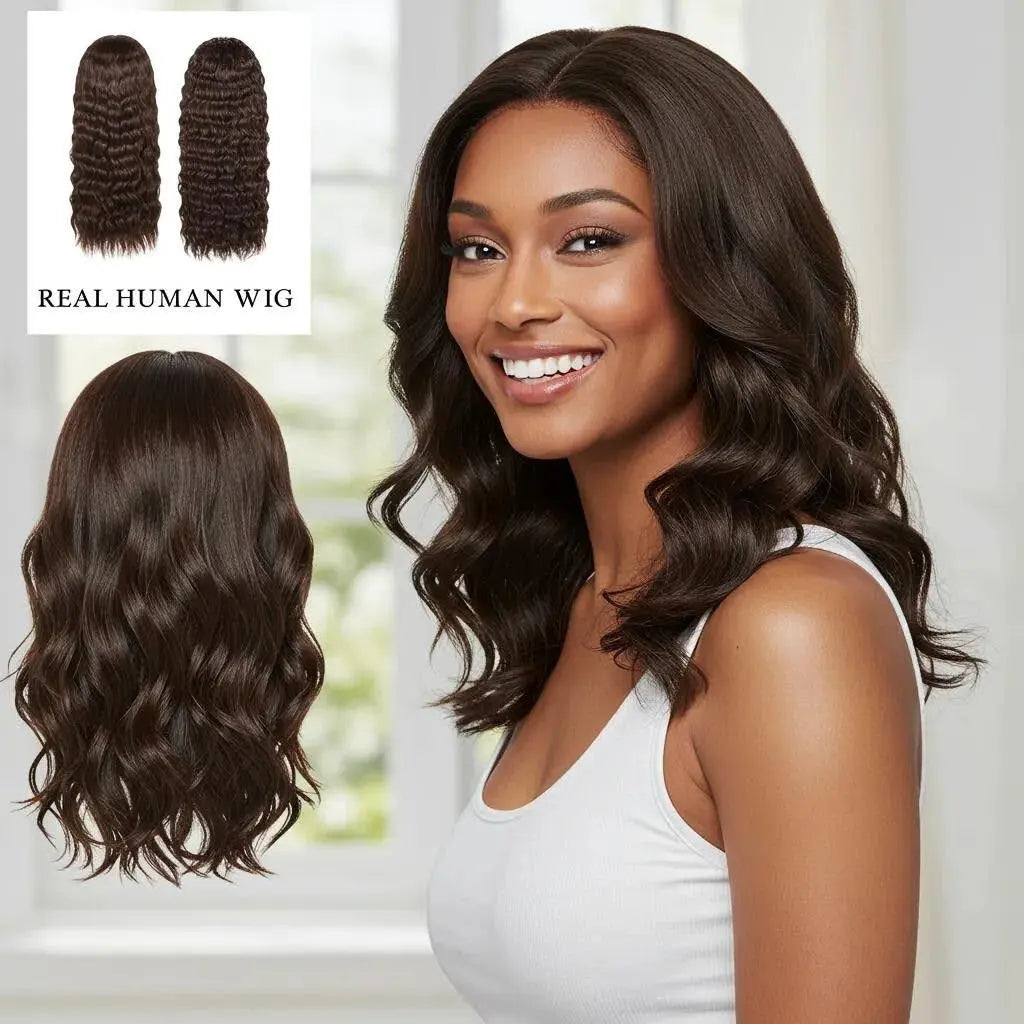
Nuola Wigs is dedicated to creating premium human-hair wigs designed with sensitive scalps in mind. We combine breathability, natural movement, and secure yet gentle attachment systems, delivering comfort and a natural look from the first wear.
Enhancing the Nuola Wigs Experience with a Healthy Scalp
A balanced scalp means less oil transfers to your wig fibers, keeping them looking pristine and easy to manage. Hydrated skin reduces itchiness, allowing you to enjoy the freedom and confidence of Nuola Wigs’ natural-looking styles without frequent adjustments.
Nuola Wigs Scalp-Care Resources
Wig Care Guides with tips and tutorials for scalp care before and after wearing a wig. These resources empower individuals experiencing hair loss to create personalized routines that enhance their chosen style and support long-term scalp health.
Common Questions About Scalp Care Before Wig Wear
Many wearers want to know how to keep the scalp balanced, which products to use beforehand, and how often to cleanse under a wig. Understanding these basics builds confidence in your routine and helps you get the most from a premium human-hair wig.
Maintaining Scalp Health Under a Wig
Maintaining scalp health involves regular cleansing with a gentle, sulfate-free shampoo, light moisturizing with non-greasy oils, frequent scalp massages to boost circulation, and wearing a breathable cap to encourage airflow. Consistency in this routine prevents buildup and supports your skin’s natural barrier.
Pre-Wig Scalp Application
Apply a thin layer of scalp serum or diluted jojoba oil right after cleansing to lock in moisture and soothe sensitivity. Choosing lightweight botanicals ensures hydration without making the surface slippery, providing a stable base for your cap and preventing early slippage.
Scalp Washing Frequency with Wigs
For most wig wearers, washing the scalp every five to seven days strikes a balance between cleanliness and moisture retention. Those with oilier scalps might benefit from a light misting midweek, while dry scalps should avoid shampooing too often to prevent stripping the skin’s natural barrier.
Causes and Prevention of Itchy Scalp Under Wigs
Itchiness often comes from trapped sweat, friction, or microbial imbalances under non-breathable materials. Prevent this by choosing caps made with moisture-wicking fibers, giving your skin breaks from the wig to breathe, and using soothing aloe-based tonics or lightweight botanical oils in your pre-wear routine.
A consistent, gentle scalp-care routine creates an ideal environment for wearing your premium wig, ensuring comfort and confidence. By combining targeted cleansing, personalized moisturizing, protective styling, and smart product choices, you can protect your natural hair and enjoy your favorite Nuola Wigs styles with confidence.